
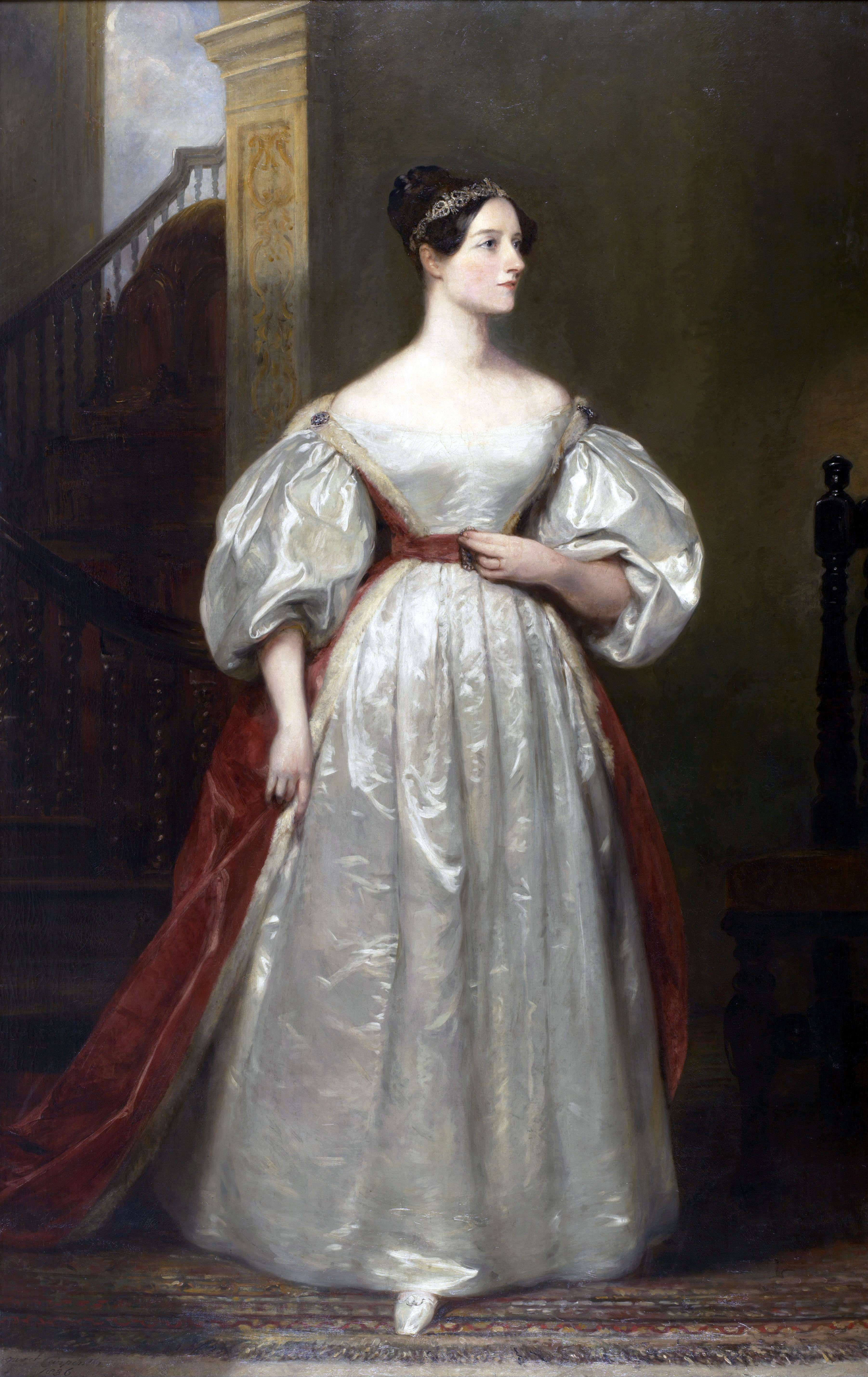
Life story
Augusta Ada King, Countess of Lovelace, known to history as Ada Lovelace, was born on 10 December 1815 in England. Gifted with a keen and imaginative mind, she was drawn from her youth to mathematics, a study that would shape her lasting place in history.
She became an English mathematician and writer, chiefly known for her work on Charles Babbage's proposed mechanical general-purpose computer, the analytical engine. In an age when such a machine existed only as an idea, she gave it thought and language that reached far ahead of her time.
She was the first to recognise that the machine had applications beyond pure calculation. For this vision she is often considered the first computer programmer, seeing in Babbage's engine a capacity that others had not yet imagined.
Ada Lovelace died at Marylebone on 27 November 1852 and was laid to rest at the Church of St. Mary Magdalene in Hucknall. Her insight endures as a foundation of computing, and her name is honoured wherever the roots of the digital age are remembered.
Životopisné údaje z verejných zdrojov. Portrét: Wikimedia Commons (Public domain).
Constellation of Life
Important milestones that shaped their journey.